
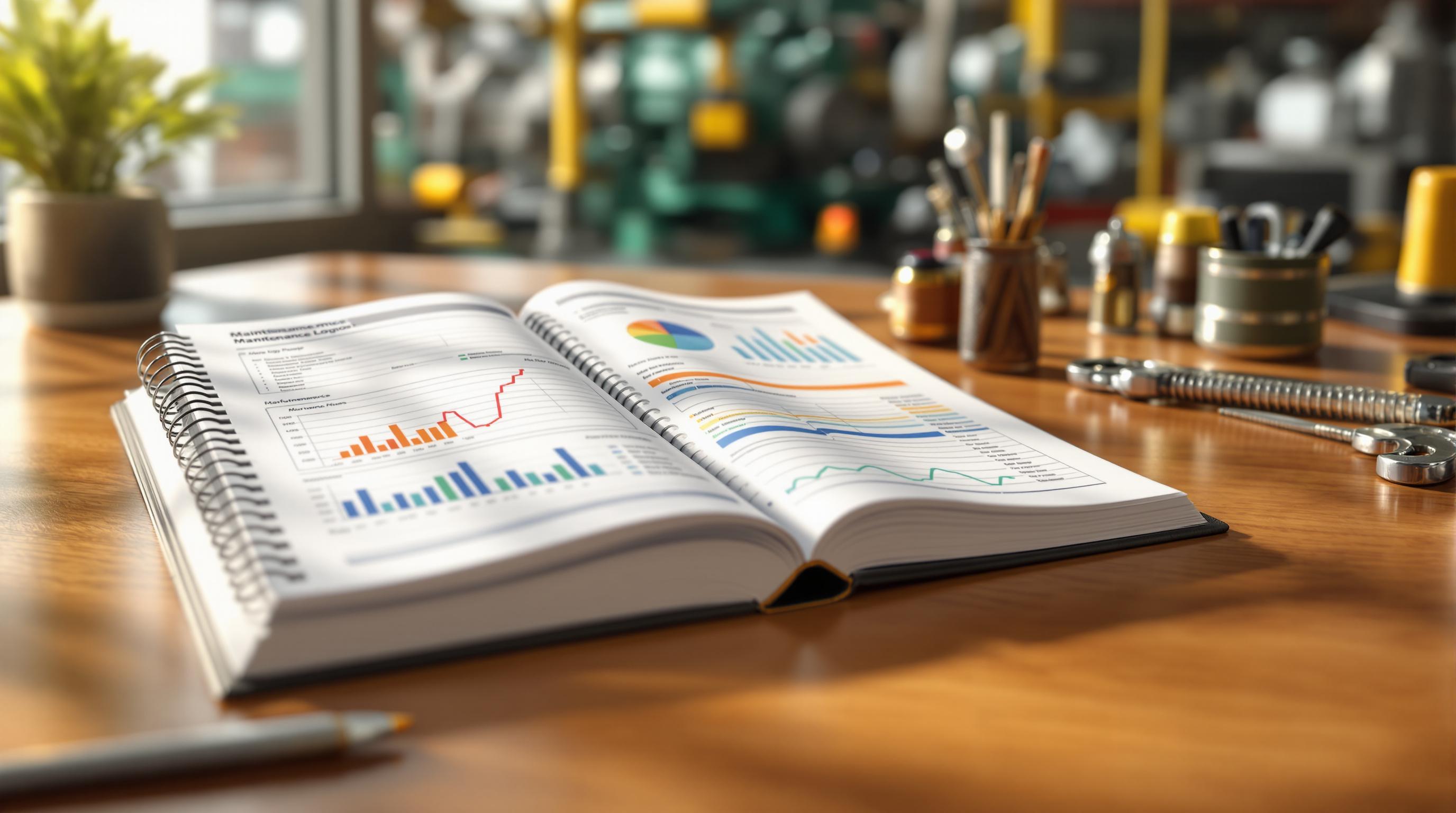
Complete and accurate maintenance records can increase an asset's value by 10-20%. They show consistent upkeep, reduce risks, and provide insights into future performance. Buyers use these records to assess servicing frequency, repair history, compliance with safety standards, and future costs. Poor documentation, on the other hand, leads to higher insurance premiums, compliance fines, and lower valuations.
Key Takeaways:
- Good Records Add Value: Assets with detailed maintenance logs sell 2.5x faster and can fetch up to 50% higher valuations in regulated industries.
- Risks of Poor Records: Increased insurance premiums (10-25%), higher due diligence costs (5-15%), and depreciation errors (5-15% of value).
- What to Track: Service history, parts replacements, safety compliance, and performance metrics.
- Tools: Digital systems like CMMS reduce downtime by 82% and improve productivity by 28%.
Maintenance records aren’t just paperwork - they directly affect an asset’s resale value, compliance, and buyer confidence.
The Future of Maintenance: Asset Operations Management
Problems Caused by Poor Maintenance Records
Poor maintenance records can negatively affect valuations in three key ways: increased risks, higher costs, and compliance issues.
Risks of Incomplete Documentation
Incomplete maintenance records often lead to insurance challenges. Insurers may view a lack of proper documentation as a higher risk, leading to premium increases of 10-25%. In some cases, insurers might even deny claims if there's no proof of adequate maintenance.
These gaps in documentation aren't just a hassle - they have real financial consequences.
Financial Impact Analysis
The financial toll of poor maintenance records shows up in several areas:
- Due diligence costs: These can rise by 5-15%.
- Productivity losses: Rebuilding missing records can result in a 1-5% drop in productivity.
- Insurance premiums: As mentioned, premiums may increase by 10-25%.
But the damage doesn’t stop there. Poor documentation can lead to unplanned downtime, which eats into operational value. In regulated industries, fines for non-compliance can further reduce asset value.
Depreciation is another area that takes a hit. Without accurate maintenance records, businesses may find it hard to justify accelerated depreciation claims to tax authorities. This can result in depreciation errors ranging from 5-15% of the asset's value, distorting the financial representation of the asset.
sbb-itb-cce425d
What Good Maintenance Records Include
Thorough maintenance records can significantly boost an asset's value. In fact, assets with well-documented maintenance histories sell 2.5 times faster than those without them.
Service and Repair History
A detailed service and repair history helps predict future maintenance needs, which is crucial during valuation. Key details to include are:
- Dates of service, along with associated costs and durations
- Credentials of the technicians who performed the work
- Performance data recorded before and after the service
Parts and Upgrades Documentation
Keeping track of parts replacements and upgrades provides insight into the asset's condition and performance potential. Important documentation includes:
- Specifications of replaced parts (to verify quality)
- Installation dates (to track component aging)
- Cost records (to demonstrate maintenance investments)
- Performance metrics (to justify value)
- Warranty information (to minimize perceived risks)
Safety and Regulatory Records
Safety and regulatory records are essential for addressing compliance risks. These documents should include:
- Inspection reports and certifications
- Proofs of compliance with environmental standards
- Records of incident resolutions
"Complete safety and regulatory records can increase an asset's resale value by up to 15% due to reduced compliance risks and potential legal liabilities".
Such records can directly improve valuations, often increasing them by 12-18% through reduced risks and enhanced buyer confidence.
How to Review Maintenance Records
A structured review of maintenance records can turn raw data into useful insights for assessing asset conditions and predicting future performance. Buyers who follow a clear analysis process can make better-informed decisions about the value and reliability of assets.
Digital tools play a key role in this process:
Modern CMMS platforms, such as eMaint and IBM Maximo, help identify patterns like failure intervals, cost trends, and compliance rates. Users of CMMS systems have reported 82% less downtime and 28% higher productivity.
When to Use Professional Inspectors
Professional inspectors are particularly useful in situations involving:
- High-value assets (typically over $500,000)
- Complex industrial machinery
- Assets with detailed maintenance histories
- Records showing inconsistencies or gaps
Research indicates that professional inspections can identify up to 70% more potential issues compared to internal reviews.
Linking Records to Valuation Models
To integrate maintenance data into valuation models, focus on analyzing key metrics:
| Metric | Target Range |
|---|---|
| Planned Maintenance % | 80%+ |
| Emergency Repairs % | <10% |
| Overall Equipment Effectiveness (OEE) | 85%+ |
| Maintenance Cost/Replacement Asset Value | 2-6% |
The process involves:
- Comparing historical maintenance costs with projected expenses
- Ensuring compliance with regulatory standards based on safety records
- Benchmarking asset performance against original specifications
This method helps validate valuations during negotiations and leads to more accurate pricing decisions.
Conclusion: Using Records to Determine Value
Key Takeaways for Business Buyers
Maintenance records play a crucial role in determining the value of assets. They help lower risks and provide insights into future performance. When analyzing these records, buyers should prioritize factors like how often services are performed, compliance documentation, and patterns in repair costs. These metrics are essential for building accurate valuation models and aligning with the earlier review process.
Tools for Business Buyers
To assist with maintenance record analysis during due diligence, businessbuyers.co offers tools tailored for this purpose. These include industry-specific maintenance benchmarks and financial modeling tools that incorporate maintenance data into asset valuation. Such resources can also guide negotiation strategies effectively.